Rise and power base
Public roles are source-confirmed; controversies or allegations must be read separately as source-backed evidence-layer material.
Gopalganj
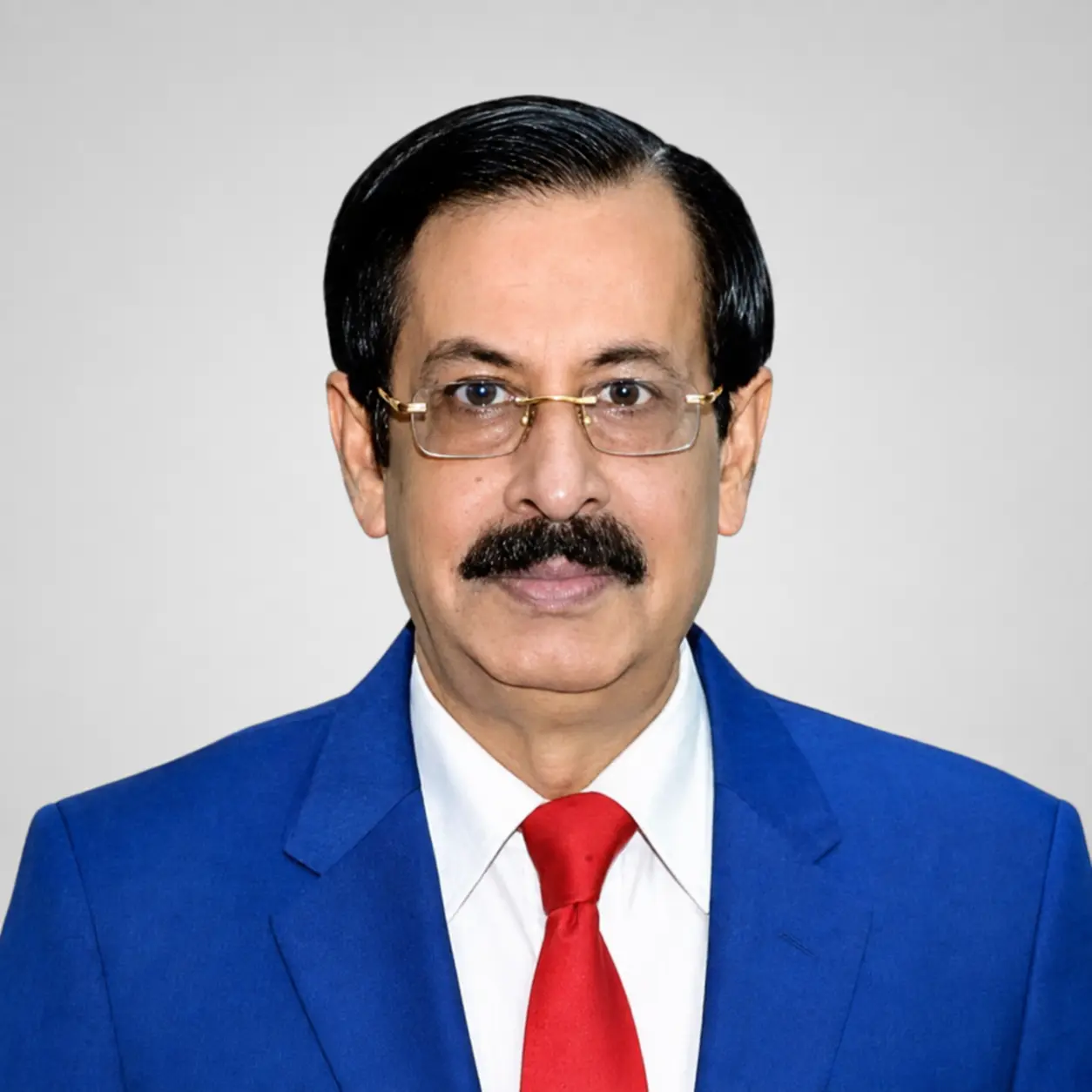
A senior party politician connected to national parliamentary and ministerial politics.
Aliases: Sheikh Selim, Fazlul Karim Selim
Included because tribunal reporting names him among accused in the proceeding.
2
Documented themes
1
Legal cases
0
Official findings
15
Verified sources
2
Organizations
4
Areas
0
Connected people
2
Incidents
Public roles are source-confirmed; controversies or allegations must be read separately as source-backed evidence-layer material.
Gopalganj
Reported themes include violence, extortion, tender or area-based influence; court outcomes must be shown separately where available.
The public-interest value is understanding how power in state institutions, policing, media, urban governance, or finance is discussed in records.
The proceeding status is reported and remains separate from any final judicial finding.
Next steps should model each claim, case, court order, response, or correction as a separate structured record.
Human rights abuse · Officially investigated
Rights groups, human-rights reporting, and later ICT proceedings present differing accounts of the May 5-6, 2013 operation, casualties, and use of state force around the Hefazat rally.
Cross-checked
Human rights abuse · Officially investigated
The record separates the court-established deaths, the official mutiny account, post-mutiny human-rights allegations, and the 2025 commission findings into distinct statuses.
Cross-checked
Government crackdown · 2013-05-05 2013-05-06
A record of the May 5-6, 2013 rally and operation around Motijheel's Shapla Chattar, competing casualty accounts, and later ICT proceedings.
Casualty counts vary substantially by source: 2026 tribunal reporting refers to a prosecution account of 58 deaths, a 2013 rights report attributed 61 deaths to Odhikar, and contemporary reporting also described a lower government count. None should be presented as a final judicial finding.
Explore incidentPolitical violence · 2009-02-25 2009-02-26
The February 25-26, 2009 armed mutiny at the former Bangladesh Rifles headquarters in Pilkhana, Dhaka, the deaths of 74 people, subsequent criminal trials, human-rights reporting, and reinvestigation proceedings.
The court record and government reporting identify 74 deaths, including 57 army officers; HRW and Amnesty documented post-mutiny detention, torture, custodial-death, and fair-trial concerns.
Explore incidentOther
The public profile and related sources identify a party or political connection to the Awami League; this is not a finding of criminal responsibility.
Reviewed
The context of the Hefazat-e-Islam rally at Motijheel's Shapla Chattar.
Sources published differing accounts of the operation, use of force, and casualty figures.
Later reporting says a complaint was filed before the tribunal in 2024.
Reporting described arrest and production warrants for several accused before the ICT.
ICT-2 took cognisance of formal charges against Sheikh Hasina and 40 others, with warrants reported for absconding accused.
The Business Standard · 27 Jul 2026
The report says ICT-2 took cognisance of formal charges against Sheikh Hasina and 40 others over the 2013 Hefazat rally and reported prosecution claims concerning 58 deaths.
Bangladesh Sangbad Sangstha · 27 Jul 2026
BSS reports that ICT-2 took cognisance of the formal charge over the May 5, 2013 crackdown and ordered accused in custody to be produced while warrants remained outstanding for absconding accused.
bdnews24.com · 27 Jul 2026
The report describes the complaint filed in 2024, the tribunal's acceptance of charges in 2026, 31 absconding warrants, and competing prosecution accounts of the death toll.
The Daily Star · 12 Mar 2025
The Daily Star reports arrest and production warrants in the Shapla Chattar proceeding and attributes allegations about planning and responsibility to the prosecution.
Bangladesh Sangbad Sangstha · 24 Aug 2025
BSS reports an ICT order permitting interrogation of several accused in the Shapla Chattar proceeding and describes the complaint brought on behalf of Hefazat leaders.
Human Rights Watch · 1 Aug 2013
Human Rights Watch documented the 2013 protest violence through interviews and described the casualty and force accounts as contested and requiring independent investigation.
Odhikar, reported by Dhaka Tribune · 15 May 2013
The report attributes a total of 61 deaths to Odhikar's account of the May 2013 operation; this figure is presented as a rights-group claim rather than an established judicial finding.
Supreme Court of Bangladesh · 27 Nov 2017
The judgment records the 25-26 February 2009 Pilkhana incident, 74 deaths including 57 army officers, the roles of public officials in the crisis response, and criminal-case findings against convicted BDR personnel.
The Daily Star · 28 May 2009
The published summary describes the national inquiry committee's mandate, interviews, reported grievances, and its account of planning and leadership within the mutiny.
Human Rights Watch · 4 Jul 2012
Human Rights Watch documented allegations of torture, custodial deaths, and fair-trial concerns after the mutiny through interviews with families, BDR members, officials, lawyers, and journalists.
Amnesty International · 1 Apr 2009
Amnesty International described the deaths during the mutiny and called for justice under internationally recognized fair-trial standards, while recording reports of torture after the event.
Bangladesh Sangbad Sangstha · 24 Dec 2024
BSS reported the gazette formation of a seven-member National Independent Investigation Commission to reinvestigate the February 25-26, 2009 Pilkhana massacre and identify perpetrators and related responsibility.
The Business Standard · 15 Dec 2024
The report says the government told the High Court that two related BDR cases were under appeal at the Appellate Division when the commission question was being considered.
Bangladesh Sangbad Sangstha · 25 Feb 2026
BSS reported that several Pilkhana appeals remained pending before the Appellate Division and that the government planned phased implementation of the independent commission's recommendations.
The Business Standard · 30 Nov 2025
The report attributes to the National Independent Investigation Commission findings that the attack was planned and involved the then government; these are commission findings and remain distinct from a criminal court judgment.
Prothom Alo · 30 Nov 2025
Prothom Alo reported the National Independent Investigation Commission's press-briefing account after submission of its report, including alleged Awami League involvement and named political figures; these are commission findings, not a criminal-court judgment.